

When Comfort Eating Begins to Quietly Take Over
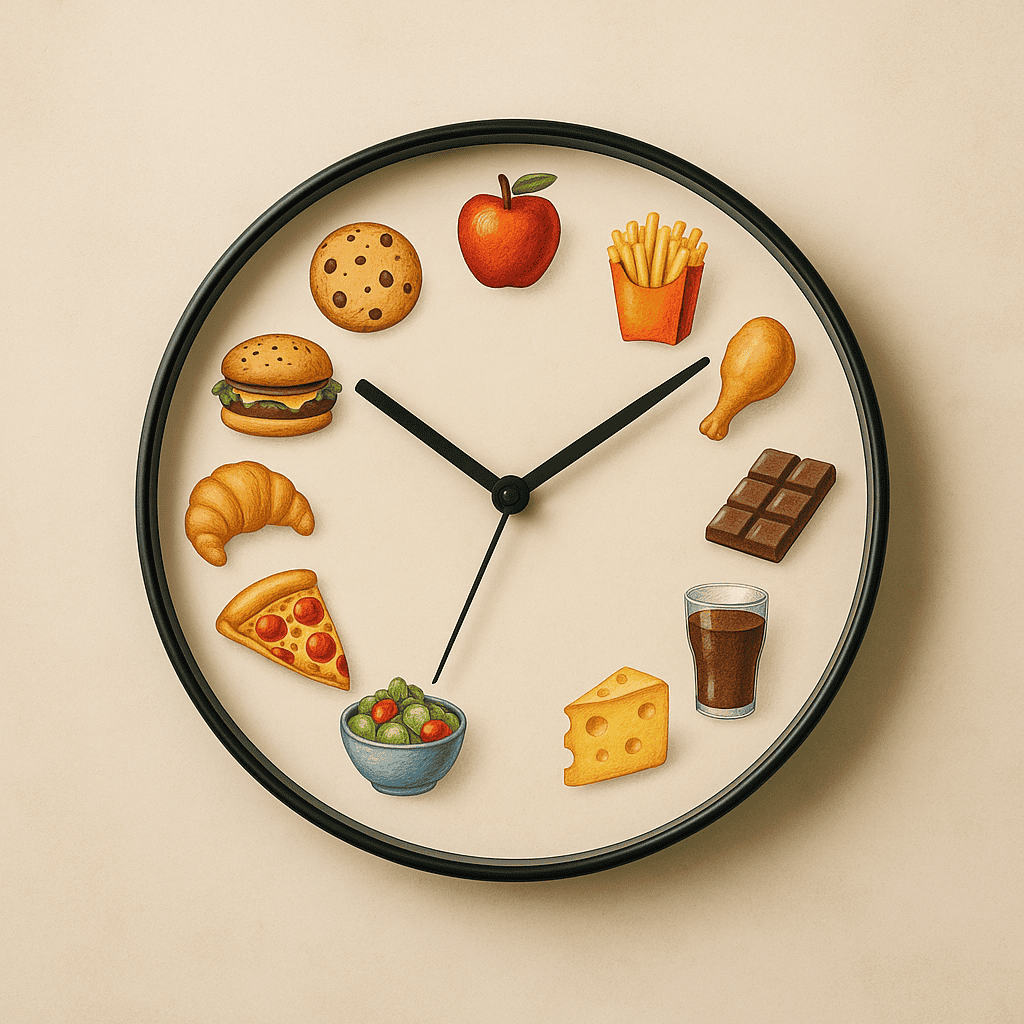
It creeps in slowly
No one wakes up one morning and suddenly feels controlled by food. It happens quietly, gradually, almost without you noticing at first, and comfort eating can slip in as “the thing that helps”.
Stress, tiredness, grief, pressure, responsibility, all of it builds. Somewhere along the way, comfort eating becomes the quickest way to feel just a little better. A pause button. A small comfort. A moment where you don’t have to think.
Not because you’re greedy. Not because you lack discipline. But because, for a few minutes, it feels like relief, and that’s exactly why emotional eating can feel so convincing in the moment.
Meanwhile, life gets smaller
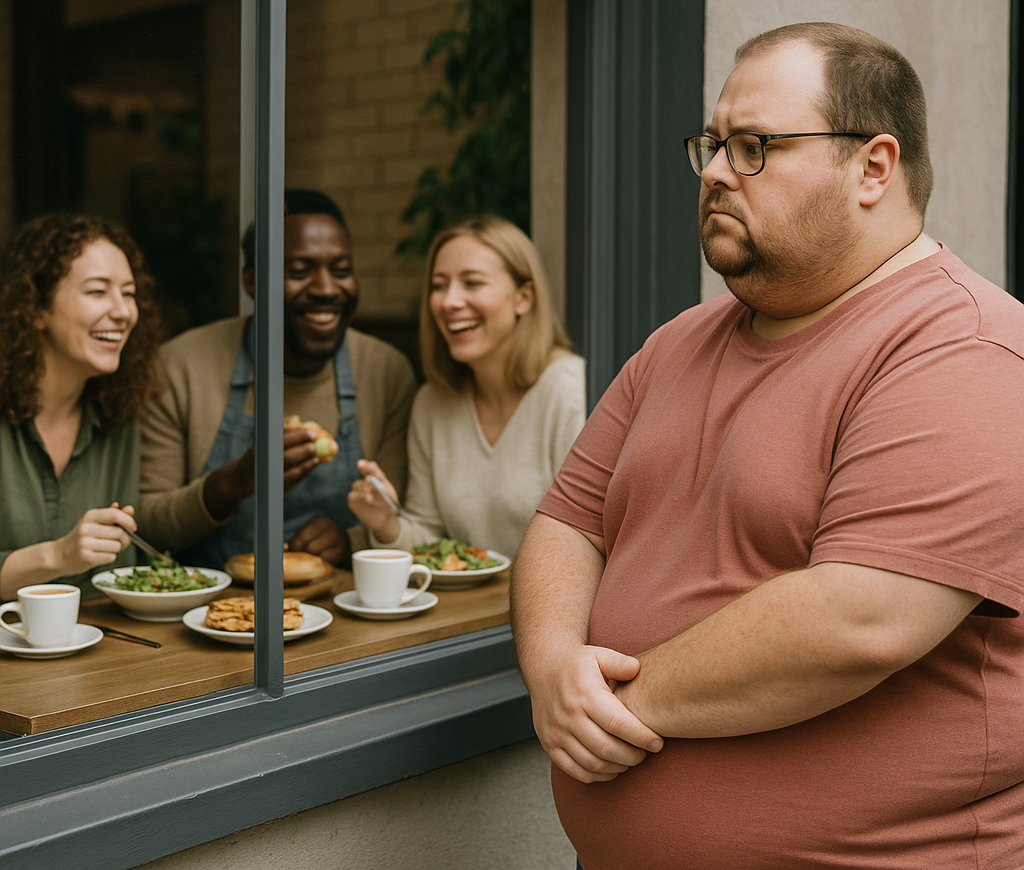
From the outside, you’re “fine”. On the inside, every decision passes through food, urges, weight and how you’ll feel afterwards.
You might turn down invitations because you’re worried about what will be served. You might avoid photos, mirrors or certain clothes. You might spend more time thinking about food, including eating plans and “rules”, than actually enjoying it.
The world doesn’t see it. But you feel it. In your energy, your confidence, your mood, and sometimes in that looping food guilt cycle that kicks in after you’ve eaten.
What Comfort Eating Really Is
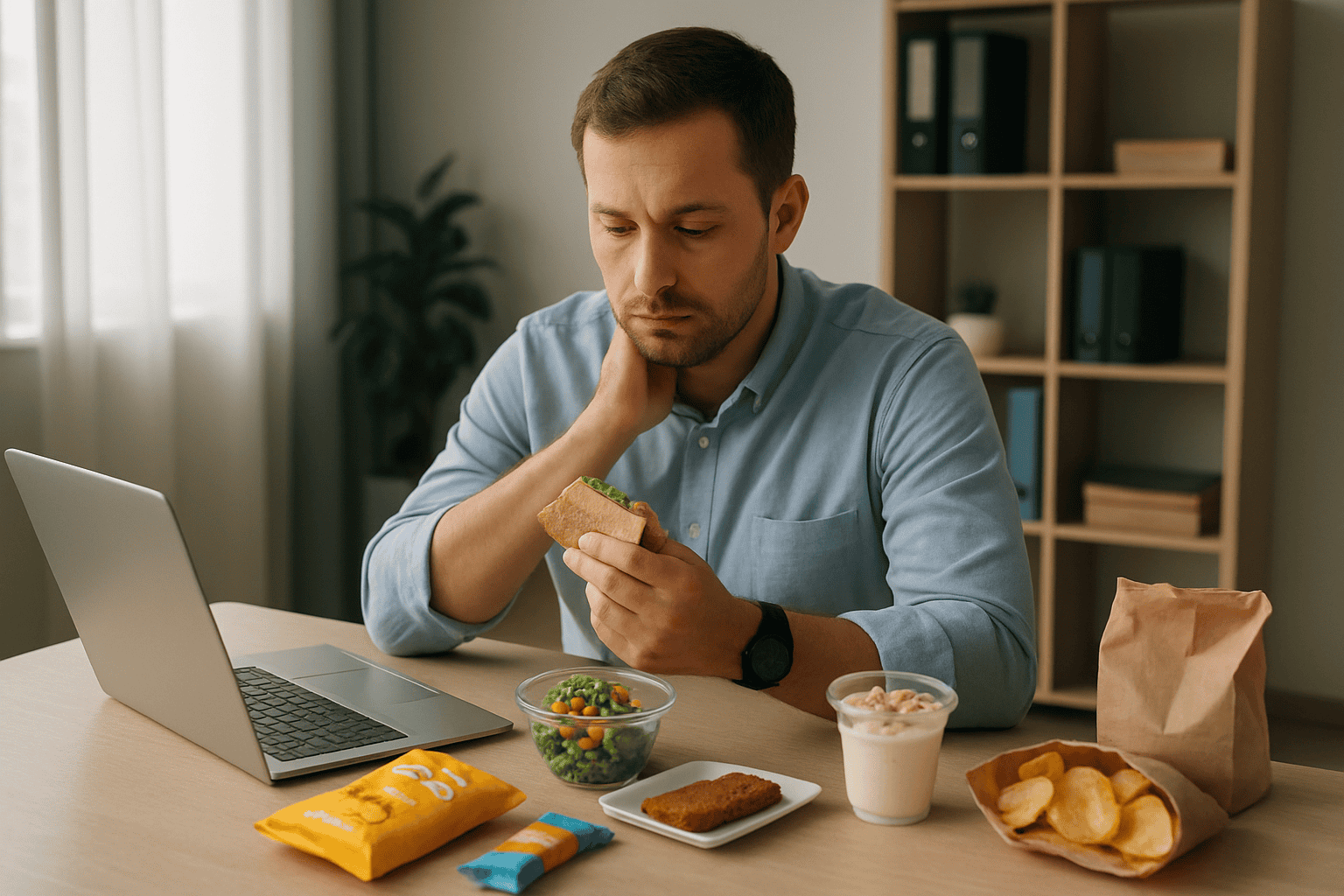
Comfort eating is not just “liking food”. It’s when food becomes a quick way to change how you feel, even when you weren’t physically hungry.
Most people imagine emotional eating as someone eating a big tub of ice cream on the sofa, but it’s often much quieter than that. It can be grazing while you cook, picking at snacks while you scroll, going back for “just a bit more” because your body is asking for relief, not calories.
The tricky part is that it works, at least for a moment. Food gives a shift, a little soothing, a tiny sense of being held together. That’s why emotional eating can become so compelling under stress, because it’s a real nervous system response, not a moral failure.
So when you’re trying to change relationship with food, it helps to see inappropriate eating for what it is, a learned calming strategy that your mind has repeated often enough to trust.
Why It Can Start To Sound Like “An Excuse”
After you comfort eat, the mind often tries to explain it quickly, because sitting with “I felt out of control” is uncomfortable.
That’s when you hear the familiar lines, “I’ve had a hard day”, “I deserve this”, “I’ll start again tomorrow”. Sometimes those lines are true, sometimes they’re just the brain trying to reduce tension and get you back to feeling safe.
And then the food guilt cycle kicks in. You feel disappointed, you promise to be stricter, you try to clamp down, and the pressure builds again, which makes comfort eating feel even more likely next time. It’s exhausting, and it can make you feel like you’re arguing with yourself all day.
This is one reason emotional eating doesn’t respond well to more rules and more discipline. If the real driver is your nervous system looking for relief, the long term shift comes from changing the pattern underneath, and that is exactly where hypnotherapy can help you change relationship with food without constant inner battles.
Once you can see this behaviour as a pattern, the willpower story starts to fall apart.
You know what you “should” be eating. You’ve tried plans, apps, rules and resets. This isn’t a lack of information. It’s a pattern your mind created to cope, and comfort eating is often the pattern that looks like “the problem” on the surface.
Food became comfort, distraction, reward, escape, sometimes all in the same day. Your nervous system started to trust it. That’s where emotional eating can take root, and once it does, logic alone often isn’t enough to change it. If you’re trying to change relationship with food, it helps to work at the level where the pattern lives.
How comfort eating can change with hypnotherapy
Comfort eating hypnotherapy doesn’t ask you to “just be stronger”. Instead, it works with the subconscious part of the mind, the part that drives urges, habits and automatic responses around food.
Through a calm, natural process, you begin to:
- Feel less pulled towards eating when stress hits
- Untangle emotional eating from the need for immediate relief
- Soften the food guilt cycle that can keep you stuck in all or nothing thinking
- Change relationship with food, so choices feel calmer and more natural
If this resonates, you’re not alone
You don’t need to be “fixed”. You deserve support that understands the deeper story, not just the food on the plate, and not just the comfort eating moment either.
If you’d like to explore this gently, you can visit the Weight Loss Hypnotherapy page or book a friendly, no pressure chat.
Taking back control doesn’t have to mean fighting yourself. It can mean working with your mind in a new way, so the eating urge stops running the show, and you can actually feel at ease around food again.